Istanbul Stem Cells logo
Stem Cell Therapy for Autism

Stem Cell Therapy for Autism in Istanbul

A physician-led pediatric program built around one carefully planned hospital day, with an expanded two-day option and a dedicated exosome-only pathway. Individualized Wharton's Jelly stem cell and exosome dosing, hospital-grade safety and a single coordinator for your whole family.

Illustrative visual, not clinical footage

Soft warm light through a window with the silhouette of a parent gently holding a child's hand, evoking the calm, family-centred atmosphere of the Istanbul stem cell therapy for autism program.

Program overview

One hospital day. A plan built entirely around your child.

For families researching stem cell treatment for autism in Turkey, the Istanbul Stem Cells program begins as one carefully planned hospital day in a qualified hospital, with an expanded two-day option and a dedicated exosome-only pathway. The structure that fits your child is decided during medical review, never by a sales script.

Every protocol is individualized: the Wharton's Jelly-derived mesenchymal stem cell and exosome quantities, the combination of application routes, and the observation plan are determined by your child's age, weight, medical history and the physician's assessment. Nothing is standardized for marketing, and everything is confirmed in writing before you travel.

Families often review our mesenchymal stem cell therapy and exosome therapy pages alongside this program to understand how the broader regenerative strategy is explained across the site.

Reviewed by: Uzm. Dr. Cihan Bolat · Reviewed · Re-review due

A parent and child walking hand in hand along a light-filled corridor of a private hospital in Istanbul, seen from behind.

The program at a glance

  • 1planned hospital day
  • 3application routes in one sequence
  • 2 + 1MSC pathways, plus an exosome-only option
  • 1 · 3 · 6months of structured follow-up

Treatment pathways

Three ways to structure your child's program.

Each pathway is confirmed individually after medical review. The structure below shows what each option may include; quantities are never fixed in advance.

  1. Physician reviewing a pediatric treatment plan with an international family in a private clinic suite in Istanbul.
    Most complete

    Program 01

    One-Day Comprehensive Program

    The full protocol, inside one hospital day.

    1 hospital day

    A single, fully monitored treatment day in a qualified hospital. The intrathecal procedure is performed under sedation or anesthesia when clinically appropriate, followed by intravenous and intranasal applications within the same planned day.

    • Intrathecal WJ-MSC

      Wharton's Jelly-derived mesenchymal stem cells administered into the cerebrospinal fluid space under sedation and physician monitoring.

    • Intravenous WJ-MSC

      A systemic infusion of the same fresh mesenchymal stem cell preparation on the treatment day.

    • Intravenous exosomes

      Wharton's Jelly-derived mesenchymal exosomes delivered systemically on the same day.

    • Intranasal exosomes

      A gentle nasal application intended to reach the nasal and olfactory pathway.

    Structured observation in the hospital before discharge, with parents close throughout.

  2. A child sitting up in a bright hospital bed on the second treatment day, reading a picture book with a parent while the intravenous infusion runs.
    Expanded

    Program 02

    Two-Day Expanded Program

    Day one in hospital, plus a second systemic day.

    2 treatment days

    Adds a second treatment day to the one-day protocol. There is no second intrathecal procedure: day two is intravenous only, using the physician-prescribed quantities of WJ-MSCs and exosomes.

    • Day 1: hospital protocol

      Intrathecal WJ-MSC, intravenous WJ-MSC, intravenous exosomes and intranasal exosomes in a single hospital day.

    • Day 2: systemic day

      Intravenous WJ-MSC and intravenous exosomes only, followed by a calm observation window.

    A preferred structure for families who want additional systemic support across two days.

  3. Non-cellular

    Program 03

    Exosome-Only Pathway

    Signaling support without stem-cell administration.

    1 treatment day

    For families exploring a non-cellular option: Wharton's Jelly-derived mesenchymal exosomes delivered intravenously and intranasally. This pathway does not include stem-cell administration and is not presented as an equivalent of the MSC-based programs.

    • Intravenous exosomes

      Wharton's Jelly-derived mesenchymal exosomes delivered systemically.

    • Intranasal exosomes

      A gentle nasal application intended to reach the nasal and olfactory pathway.

    A separate treatment option with its own planning, observation and follow-up structure.

What each pathway includes, side by side.
Treatment pathwaysProgram 01One-Day Comprehensive ProgramProgram 02Two-Day Expanded ProgramProgram 03Exosome-Only Pathway
Intrathecal WJ-MSCDay 1, under sedationDay 1, under sedationNot included
Intravenous WJ-MSCDay 1Day 1 and Day 2Not included
Intravenous exosomesDay 1Day 1 and Day 2Day 1
Intranasal exosomesDay 1Day 1Day 1

The treatment journey

What happens on treatment day.

A calm, sequenced day inside a qualified hospital: parents close, monitoring continuous, nothing rushed.

Calm, empty pediatric recovery room in a premium Istanbul hospital, with an armchair beside the bed for a parent.
Illustrative visual, not clinical footage

Timing is illustrative. The hospital confirms your child's exact schedule before arrival.

Day 2 · Systemic

The expanded second day.

An optional additional day for families who choose the two-day program. There is no second intrathecal procedure; day two is intravenous only.

  1. Step 01

    Intravenous WJ-MSC

    The physician-prescribed quantity of Wharton's Jelly-derived mesenchymal stem cells.

  2. Step 02

    Intravenous exosomes

    Wharton's Jelly-derived mesenchymal exosomes delivered intravenously.

  3. Step 03

    Observation & departure planning

    A calm observation window followed by departure and follow-up planning.

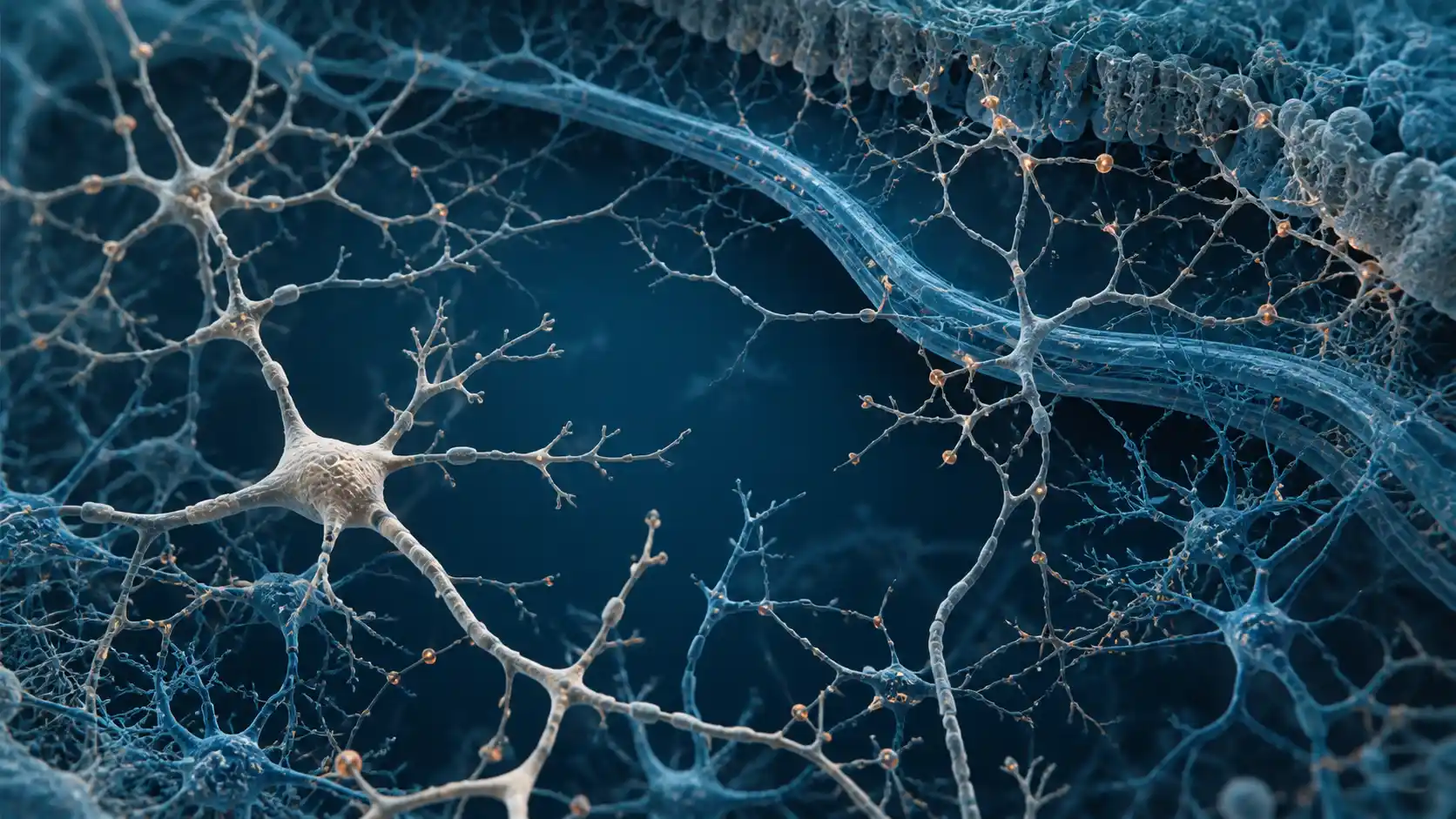
A visual chapter on neural variation

Different networks, individual evaluation

A conceptual journey through varied sensory pathways and synaptic patterns. It does not show a brain that needs correcting; it shows why every responsible discussion begins with individual understanding.

A sedated child resting on their side in a pediatric procedure room while an anesthesiologist watches the monitors and a clinician prepares the sterile field
Sedation-supported procedure room

Hospital · with or without sedation

Intrathecal WJ-MSC administration

Delivers Wharton's jelly-derived mesenchymal stem cells (WJ-MSCs) directly into the cerebrospinal fluid (CSF) rather than relying on intravenous cells to cross the blood-brain barrier. Investigated for neuroinflammation, immunomodulation, and neurotrophic signaling closer to the central nervous system, and performed in a qualified hospital with or without sedation depending on clinical circumstances.

  • Neurological
  • Autism program
  • Spinal cord injury
A nurse adjusting an intravenous infusion for a child resting in a hospital bed while a parent holds the child's hand
Monitored infusion, parent beside

Hospital or clinic · monitored

Intravenous WJ-MSC & exosome infusion

The systemic route for Wharton's jelly-derived MSCs and WJ-MSC exosomes (alongside optional NAD+, multivitamin, and high-dose vitamin C infusions in rejuvenation programs). Investigated for systemic immunomodulation, cytokine balance, M1-to-M2 macrophage polarization, and whole-body paracrine signaling.

  • Neurological
  • Autoimmune & Inflammatory
  • Rejuvenation & Longevity
A pediatric nurse giving a gentle intranasal spray to a child sitting on a parent's lap
Intranasal application

Hospital or clinic · non-invasive

Intranasal exosome administration

A gentle, non-invasive nasal application of Wharton's jelly MSC-derived exosomes investigated for transport along olfactory and trigeminal pathways toward central nervous system structures. It is a surface nasal application (never a nerve injection), and the exact fraction reaching specific human brain regions remains under study.

  • Neurological
  • Autism program

The full route atlas

Eight application routes, planned one case at a time. The routes featured on this page are marked in copper.

See the treatment programs
  1. Intrathecal WJ-MSC administrationHospital · with or without sedation
  2. Intravenous WJ-MSC & exosome infusionHospital or clinic · monitored
  3. Intramuscular administrationClinic · sustained paracrine depot
  4. Ultrasound-guided intra-articular injectionClinic · ultrasound-guided
  5. Intranasal exosome administrationHospital or clinic · non-invasive
  6. Selected facial WJ-MSC & exosome injectionsClinic · targeted dermal
  7. Selected scalp WJ-MSC & exosome injectionsClinic · perifollicular scalp
  8. Paraspinal & targeted tendon/soft-tissue injectionClinic · paraspinal & ultrasound-guided

Treatment Rationale & Research Context

Why Wharton's jelly MSCs and exosomes are investigated in autism.

Autism spectrum disorder involves complex, individual neurobiology, including neuro-immune and synaptic signaling differences in subsets of children. Below is the scientific rationale our medical team discusses with families during evaluation.

  1. Neuroinflammation & microglial immune modulation

    Clinical and neurobiological research has identified elevated neuroinflammatory markers, microglial activation, and altered cytokine profiles in subsets of individuals on the autism spectrum. Wharton's jelly MSCs are studied for their ability to regulate pro-inflammatory cytokines, support regulatory T-cell balance, and calm neuroinflammatory signaling.

  2. Extracellular vesicle & paracrine communication

    WJ-MSC-derived exosomes are nanoscale (30–150 nm) vesicles carrying regulatory microRNAs, neurotrophic factors, and signaling proteins between cells. Researchers investigate how this molecular cargo may influence synaptic, glial, and microvascular signaling within the developing nervous system.

  3. Combining central (intrathecal/intranasal) and systemic (IV) routes

    Because neuro-immune interactions involve both central nervous system glia and peripheral immune signaling, comprehensive protocols pair intrathecal CSF delivery and intranasal exosome application with systemic intravenous WJ-MSC and exosome infusions.

  4. Published clinical studies & family-reported observations

    Early clinical trials and observational cohorts of umbilical-cord/Wharton's jelly MSC therapy in autism have evaluated safety and explored changes in social communication, attention, sleep, sensory regulation, and repetitive behaviors. Because responses vary across children, our medical team sets realistic, individualized objectives before any program is confirmed.

WJ-MSCs vs. exosomes: why our comprehensive protocols combine both.

Our comprehensive autism programs pair living Wharton's jelly mesenchymal stem cells with purified WJ-MSC exosomes because they act on complementary biological timescales and signaling levels.

Editorial render of Wharton's Jelly-derived mesenchymal stem cell constructs during laboratory preparation.

Mesenchymal stem cell (WJ-MSC)

A living cell derived from the Wharton's Jelly of donated umbilical cord tissue. Always fresh, never frozen, and administered under hospital-grade protocols to provide sustained, adaptive paracrine and immunomodulatory signaling.

  • Living cell that responds dynamically to inflammatory cues
  • Studied for sustained immunomodulatory and neurotrophic signaling
  • Fresh preparation, used within its optimal viability window
Editorial visualization of exosome signaling vesicles carrying molecular cargo between cells.

Exosome (extracellular vesicle)

A nanometer-scale signaling vesicle released by Wharton's jelly MSCs. It delivers concentrated proteins, lipids, and regulatory microRNAs directly to recipient cells without requiring cellular engraftment.

  • Nanoscale (30–150 nm) extracellular signaling vesicle
  • Delivers ready-made growth factors and regulatory microRNAs
  • Suitable for both intravenous and non-invasive intranasal delivery

In our comprehensive programs, fresh WJ-MSCs and WJ-MSC exosomes are planned together to combine adaptive cellular immunomodulation with immediate vesicular signaling support, while whether combined administration outperforms single-modality therapy remains an active area of clinical research.

View of the Bosphorus from a luxury Istanbul medical suite at golden hour

Why families travel

A city built for hospitality, with hospital-grade medicine.

Istanbul brings together world-class medical infrastructure, renowned hospitality culture, and a uniquely accessible geographic position. For international families pursuing regenerative care, that combination matters. Travel is shorter, support is closer, and the city itself can become part of a calmer, more humane treatment experience.

Our autism program leans on this fully. Coordination begins long before arrival and continues after departure.

Families who want more background on the setting and medical structure can also visit our About Us page.

About Us

The Setting

Why a hospital environment matters.

The autism program is a hospital-based program for a reason. The intrathecal procedure requires sterile preparation, sedation or anesthesia support, and continuous pediatric monitoring, capabilities that only a qualified hospital environment provides. Parents remain close, and nothing is performed in casual clinic settings.

Pediatric wing of the partner hospital in Istanbul: a nurse station in warm walnut, and a parent walking hand in hand with a child toward tall windows.
Pediatric wing of the partner hospital, Istanbul
  1. Qualified hospital partners

    Full clinical infrastructure for sedation-supported, multi-route treatment days.

  2. Anesthesia & pediatric monitoring

    Anesthesiology and intensive-care expertise present throughout the procedure day.

  3. Patient safety first

    Sterile preparation, continuous monitoring and structured recovery.

  4. Family present, supported

    Comfort and communication from admission through discharge.

International Patient Support

From the first message to your front door.

Our coordinators handle every logistical and human detail, so families can stay focused on their child.

  1. Airport VIP transfer

    Discreet, comfortable arrival and departure logistics for the whole family.

  2. Premium accommodation guidance

    Curated hotel and serviced apartment recommendations near the clinic.

  3. Multilingual coordination

    English, Arabic and additional language support throughout your program.

  4. One coordinator, end-to-end

    A single point of contact from first message through post-departure follow-up.

A Note to Families

Honest guidance from the first conversation. Your first step is free.

We do not promise cures, and we do not steer families toward the most expensive pathway. We promise careful clinical review, transparent communication, individualized planning, premium support and a calm hospital program that respects your child and your family. Request a free consultation today: send your child's records, hear an honest medical opinion and, if the program is the right fit, receive a written plan with your pathway, exact quantities, days in Istanbul and full cost before you commit to anything.

Before reaching out, some families also review our broader treatment programs and clinic information to better understand the environment and care philosophy.

FAQ

Frequently Asked Questions

Suitability is always assessed individually by our medical team after reviewing your child's diagnosis, developmental history, recent specialist reports, current therapies and any neuroimaging available. We will give you an honest, detailed answer before any plan is proposed, and we will tell you transparently if our program is not the right fit.

Request Free Medical Evaluation

Begin a personalized treatment conversation with our medical team.

Share your case in confidence. Our international coordinators review every enquiry and respond within 24 hours, in your language.